Nádúr Naofa, Sacred Nature:
RE-IGNITING A SPIRITUAL ECOLOGY OF TIME & PLACE
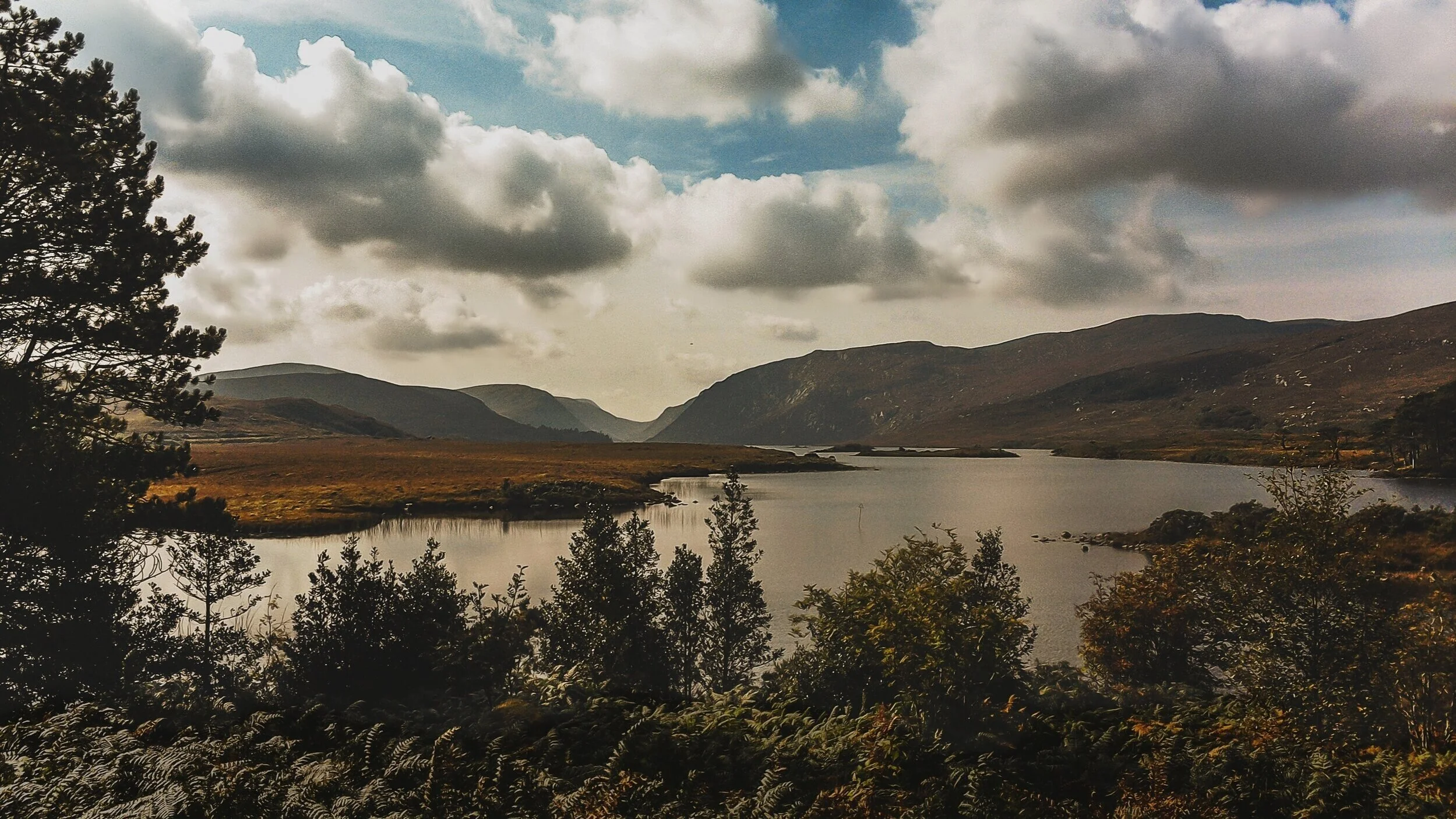
A 2 day immersive retreat in the heart of Donegal Gaeltacht region, north western Ireland.
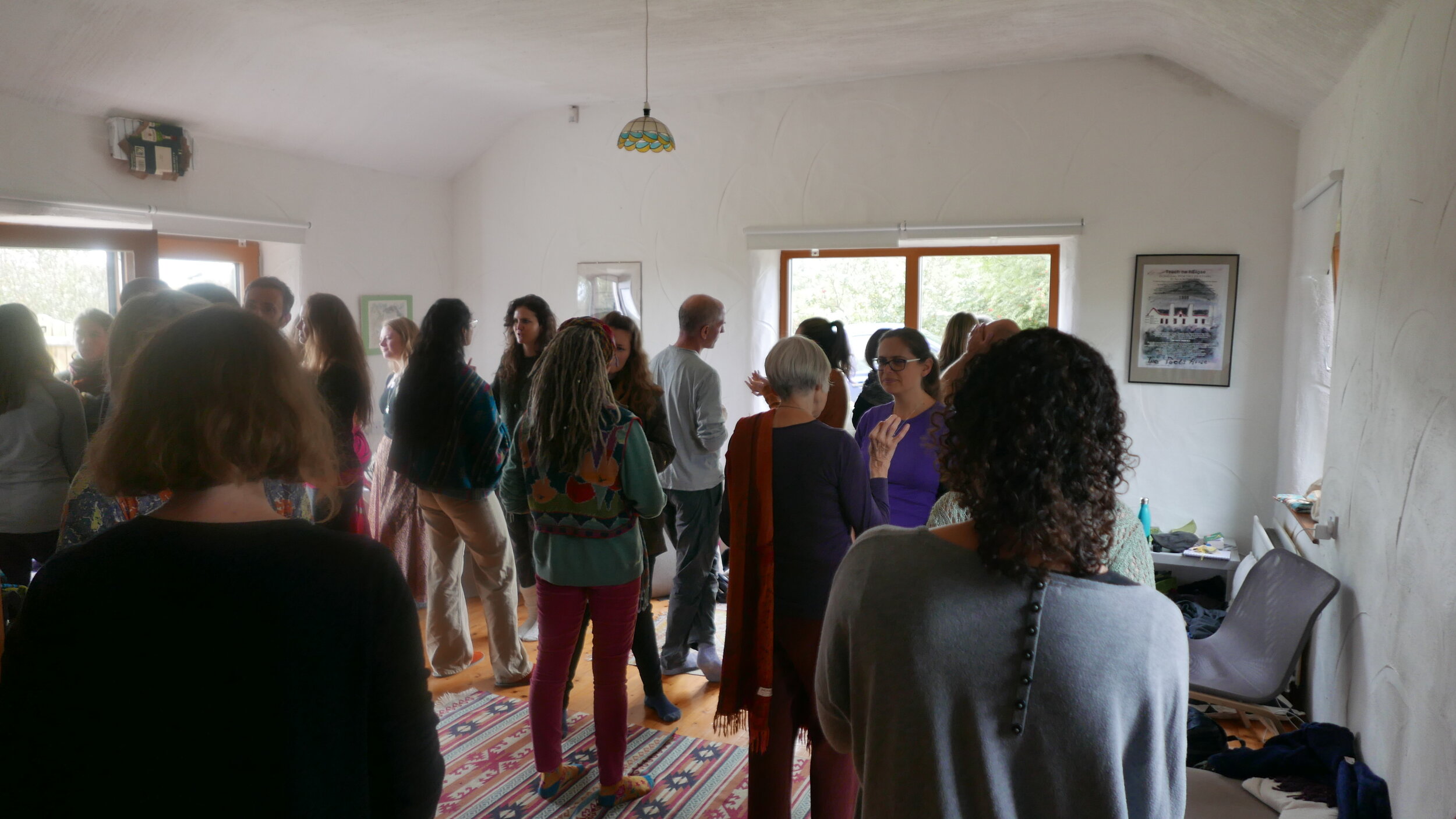
Irish indigenous culture and mythology is deeply rooted in a connection to land as sacred. County Donegal, a widely Irish speaking region is situated in between both the wild and expansive Atlantic sea, and the majestic Derryveagh mountains. It is a place rich in Irish history, indigenous spirituality and a thread of remembrance of spiritual ecology. “Tenalach” is a newly coined Irish phrase that describes this ancient relationship with the land, air and water: a deep connection that allows one to literally ‘hear the earth sing’. Over three days, bringing together a group of 25 participants from across Ireland and the UK, we cultivated this ancient and newly emerging understanding of spiritual ecology. The retreat included a programme of activities including teaching input, group discussion, storytelling, nature connection, solo reflection and practice.
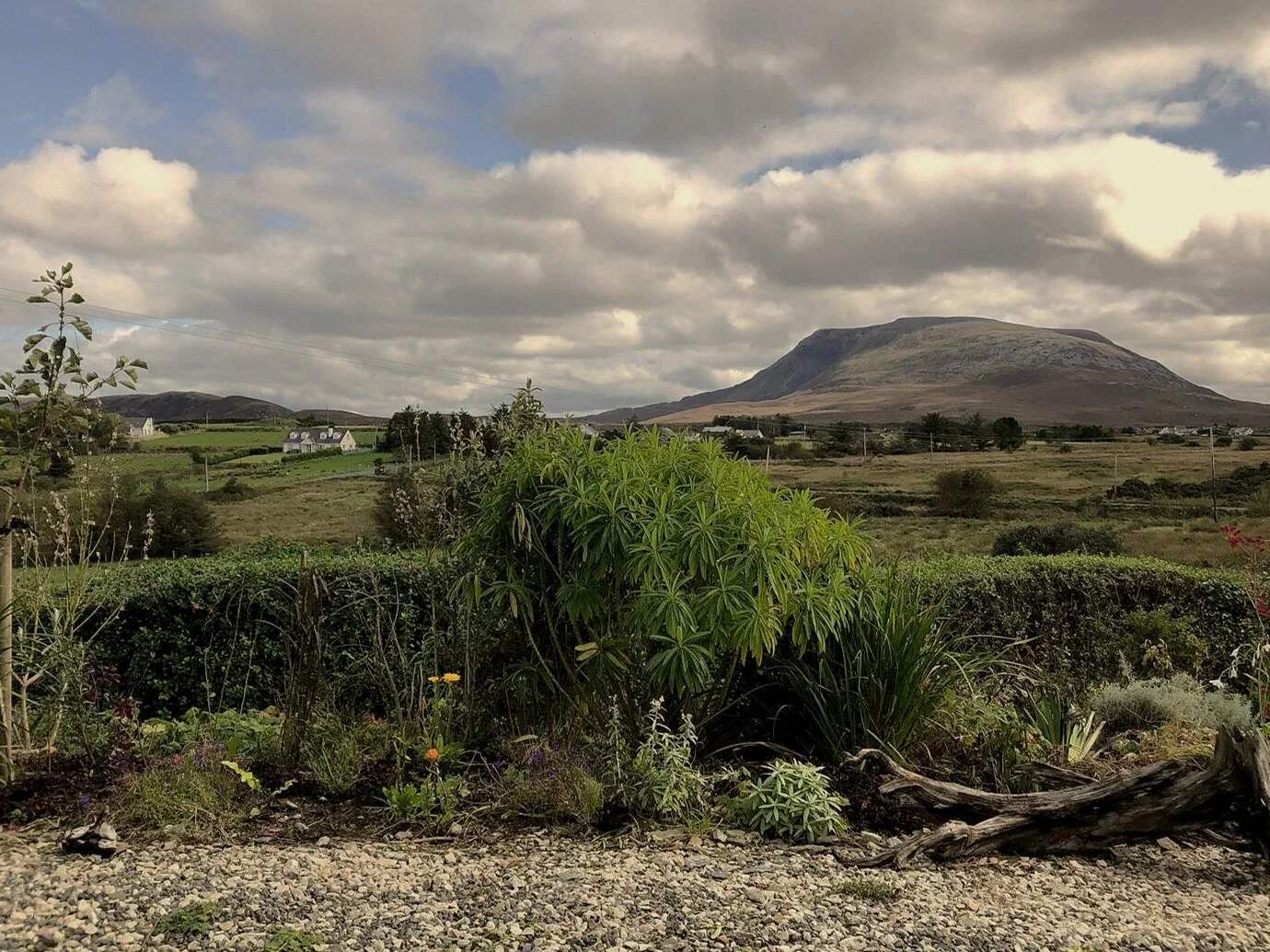
This retreat was offered in September 2019, as part of St Ethelburga’s Centre Spiritual Ecology Programme. It was co-facilitated with Jenny O’Hare (nature connection facilitator) and Ciara Parsons (horticultural therapist), who are both graduates of our Spiritual Ecology Fellowship Programme. We were also joined by the acclaimed local historian and archaeologist Brian Lacey, as well as local guest musicians Ruairi Friel and friends. We stayed at the beautiful Song House, nestled in the foothills of the Muckish Mountains. Special thanks to the support of Candy Verney who made this retreat possible.
Day 1
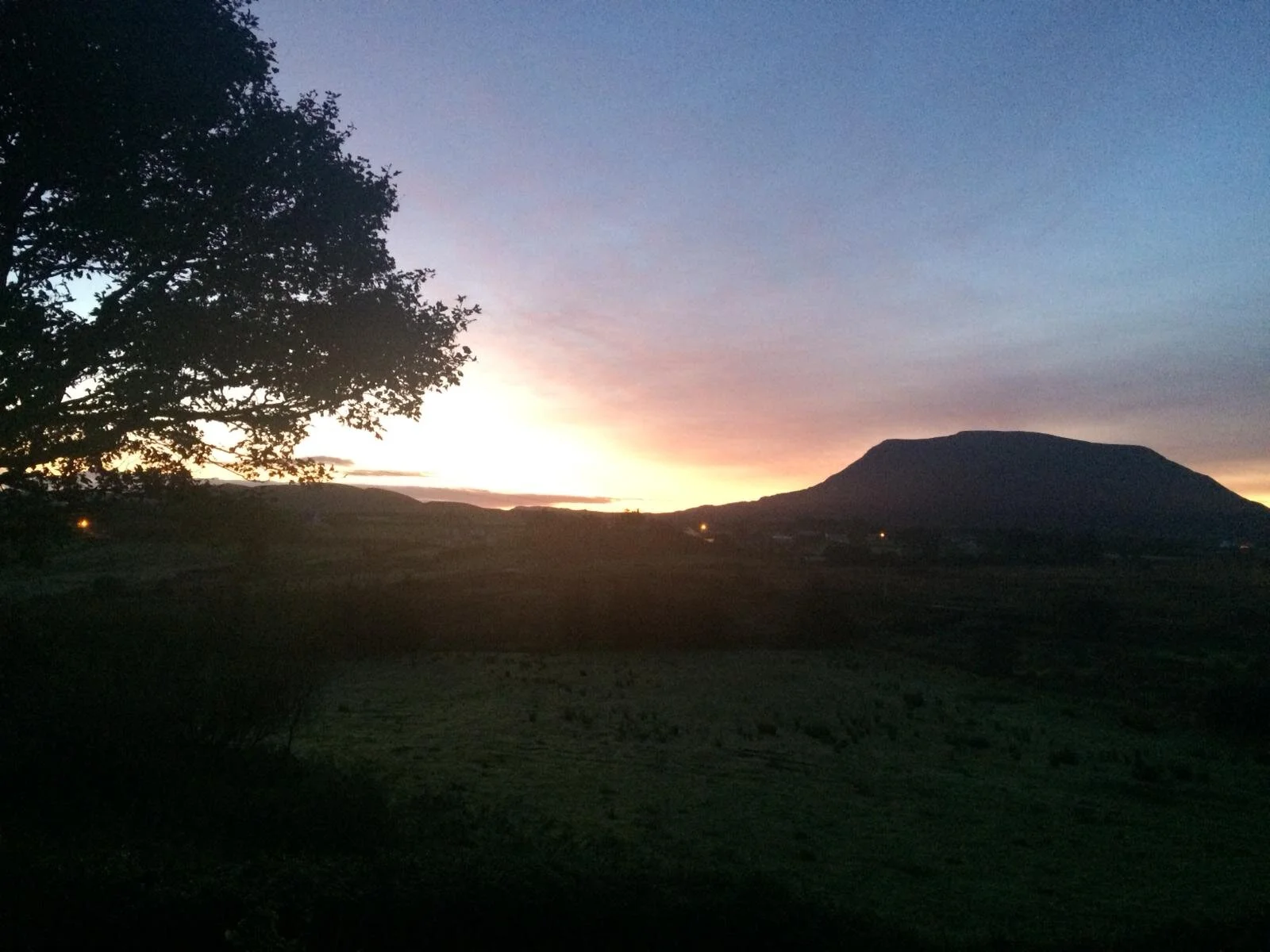
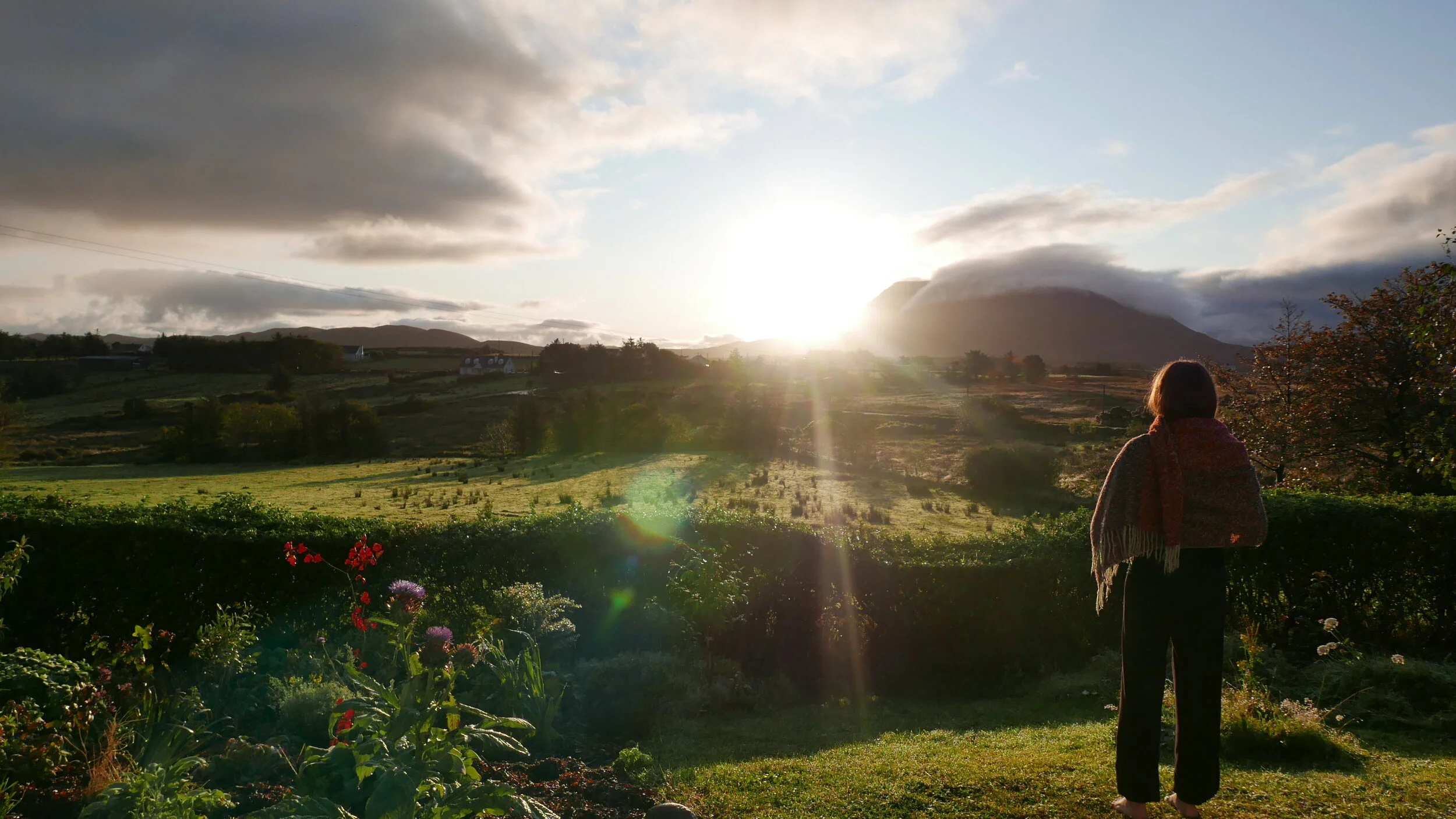
Saturday morning began with an early morning group meditation to the rising of the sun over Muckish Mountains. Our morning session offered a simple introduction to the field of spiritual ecology, including the short film ‘Spiritual Ecology: Cry of the Earth’.
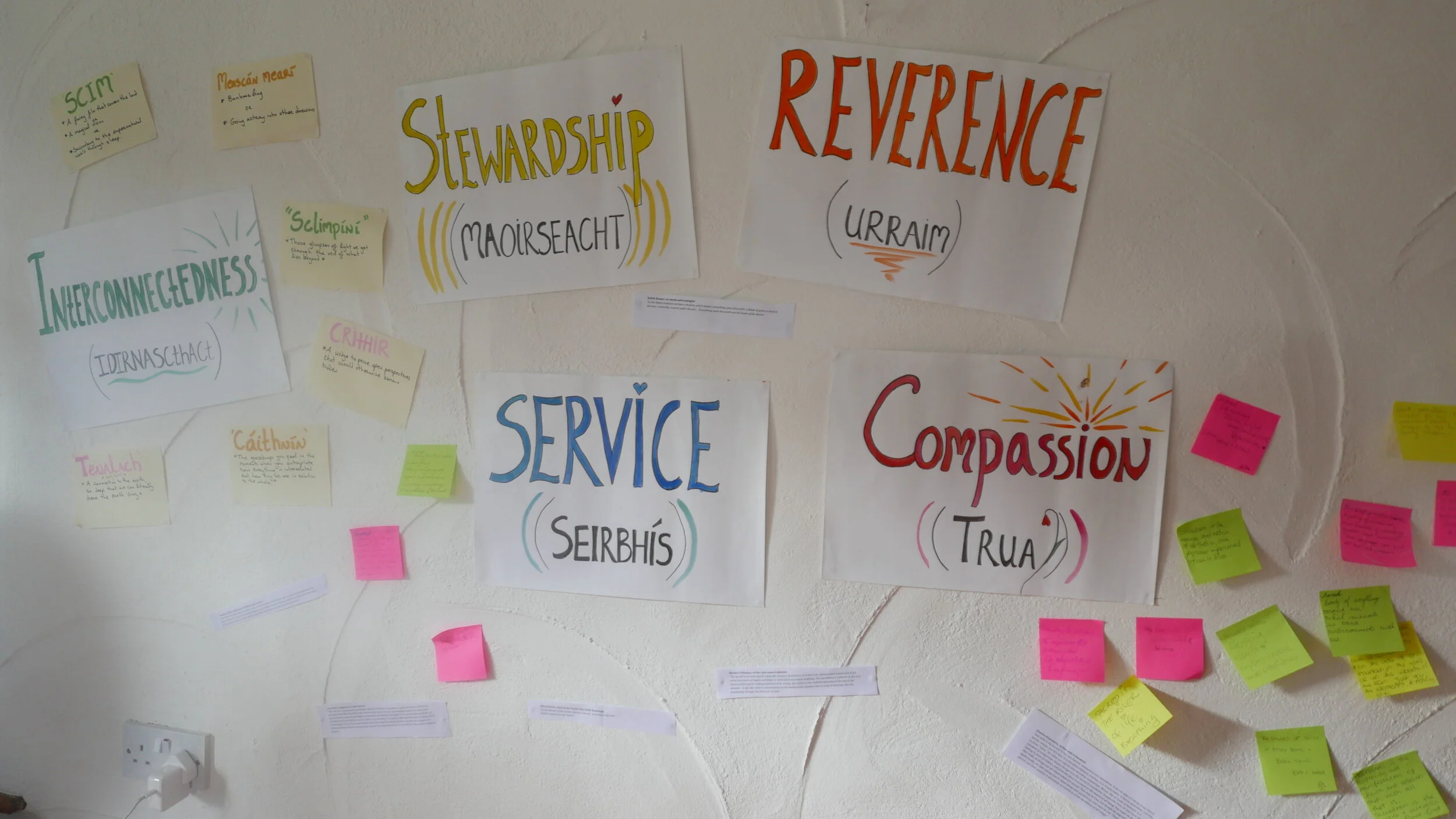
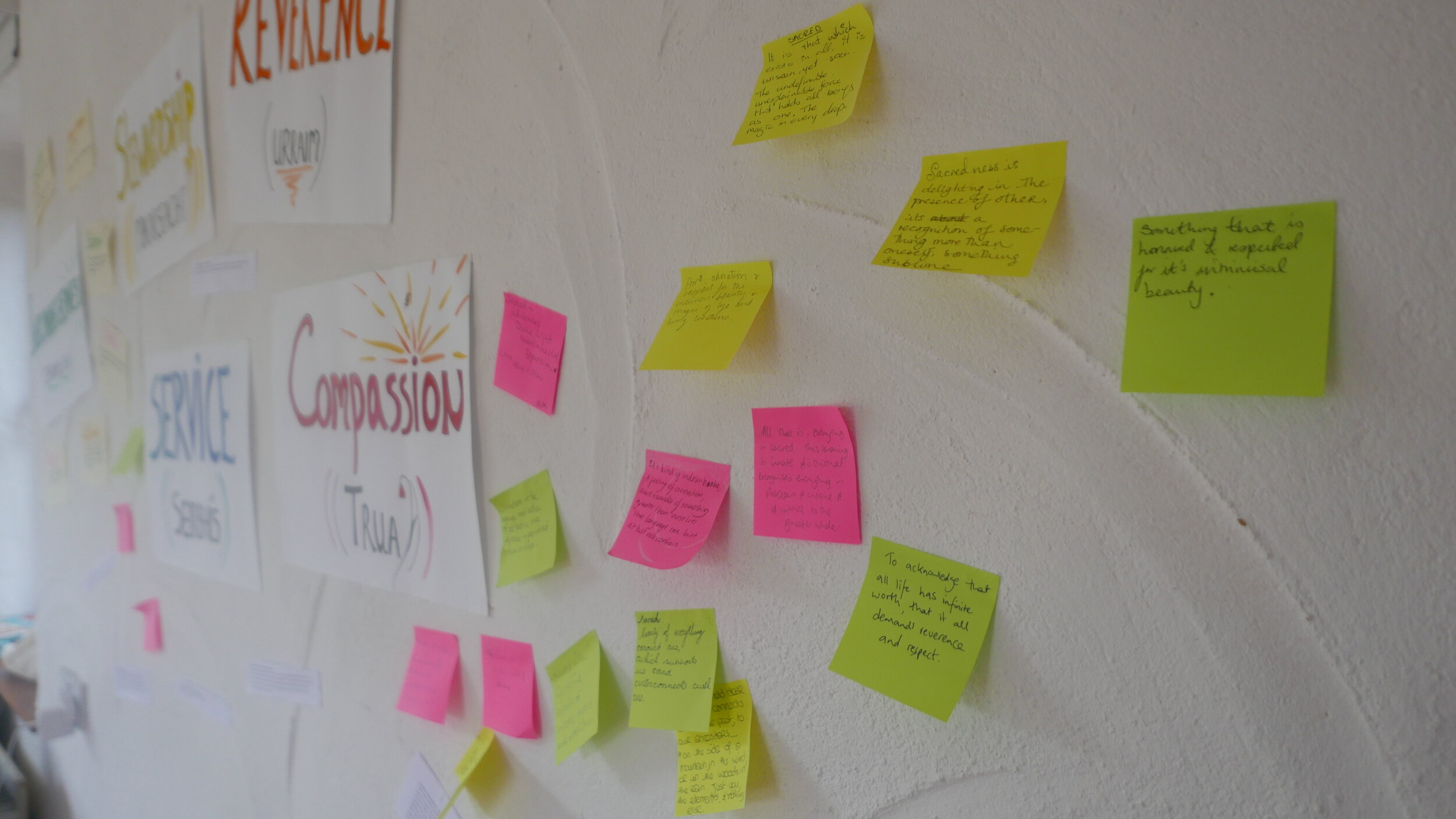
We introduced the four spiritual ecology core principles: Reverence, Interconnectedness, Service and Stewardship, and Ciara offered us a translation of these words into the Irish language, exploring their meaning and significance in relationship to the earth.
Following this, we broke down into groups to reflect upon four different definitions of ‘sacred’, and how these related to our own personal definition of the term. Finally, we moved from theory into lived experience with a ‘sacred storytelling’ practice, where we were invited to share personal stories, from childhood as well as adulthood, where we experienced the earth as alive, animate and sacred.
“The sacred is not some special, separate category of existence. It is not to be captured and tamed with fixed verbal structures of dogma and belief, or confined in man-made buildings. For sacredness is inherent in the very essence of life and the multiple patterns of its arising. Sacredness is the radiant expansion of the heart, the devotion to life that rises in contemplation of the inexhaustible mystery that is unity in diversity, the One manifesting through the whole of creation.”
“If we have to protect the life of this earth, and her rivers, and her forests, then we have to recognise their life. And we have to create the cultural mechanisms to protect that life. And that cultural mechanism is the category of the sacred. The sacred that shows us the links, the primacy, and the basis of sustenance.”
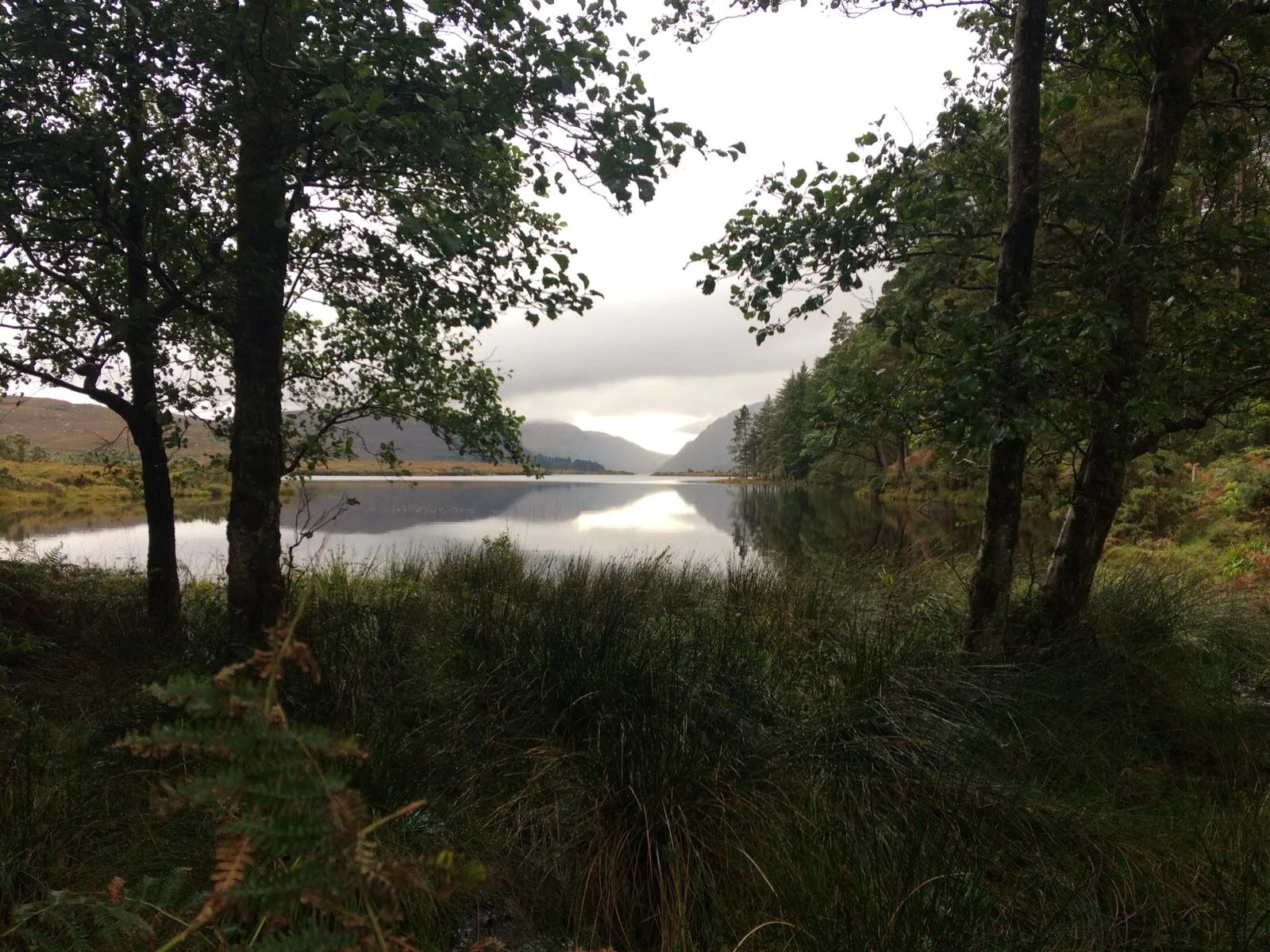
The afternoon was spent on a long hike in the stunning and magical mountainous terrain of Glenveigh National Park. We were lead in a guided walking meditation by Jenny O’Hare, connecting with our senses, and opening into a state of receptive presence to the more-than-human world.
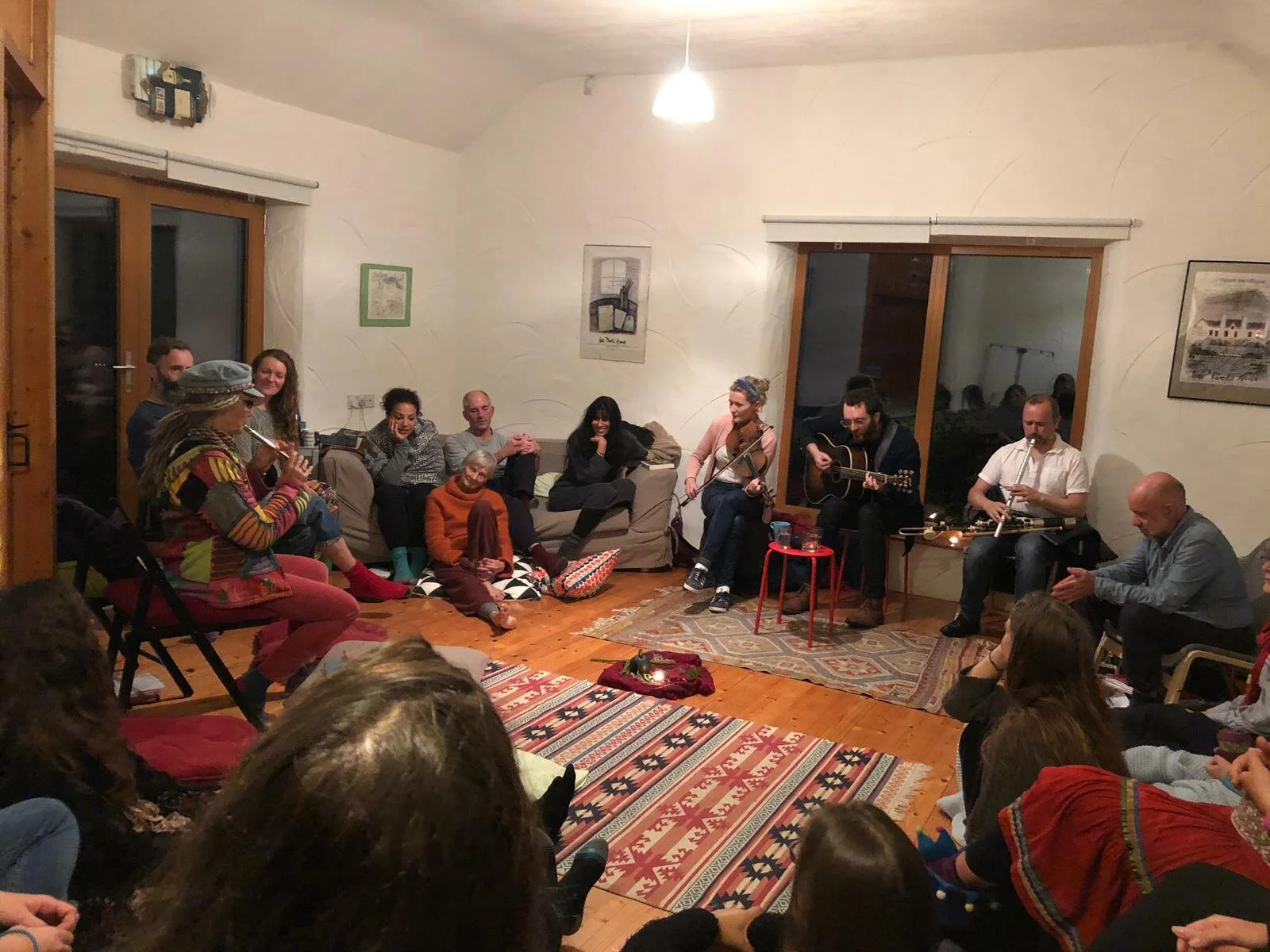
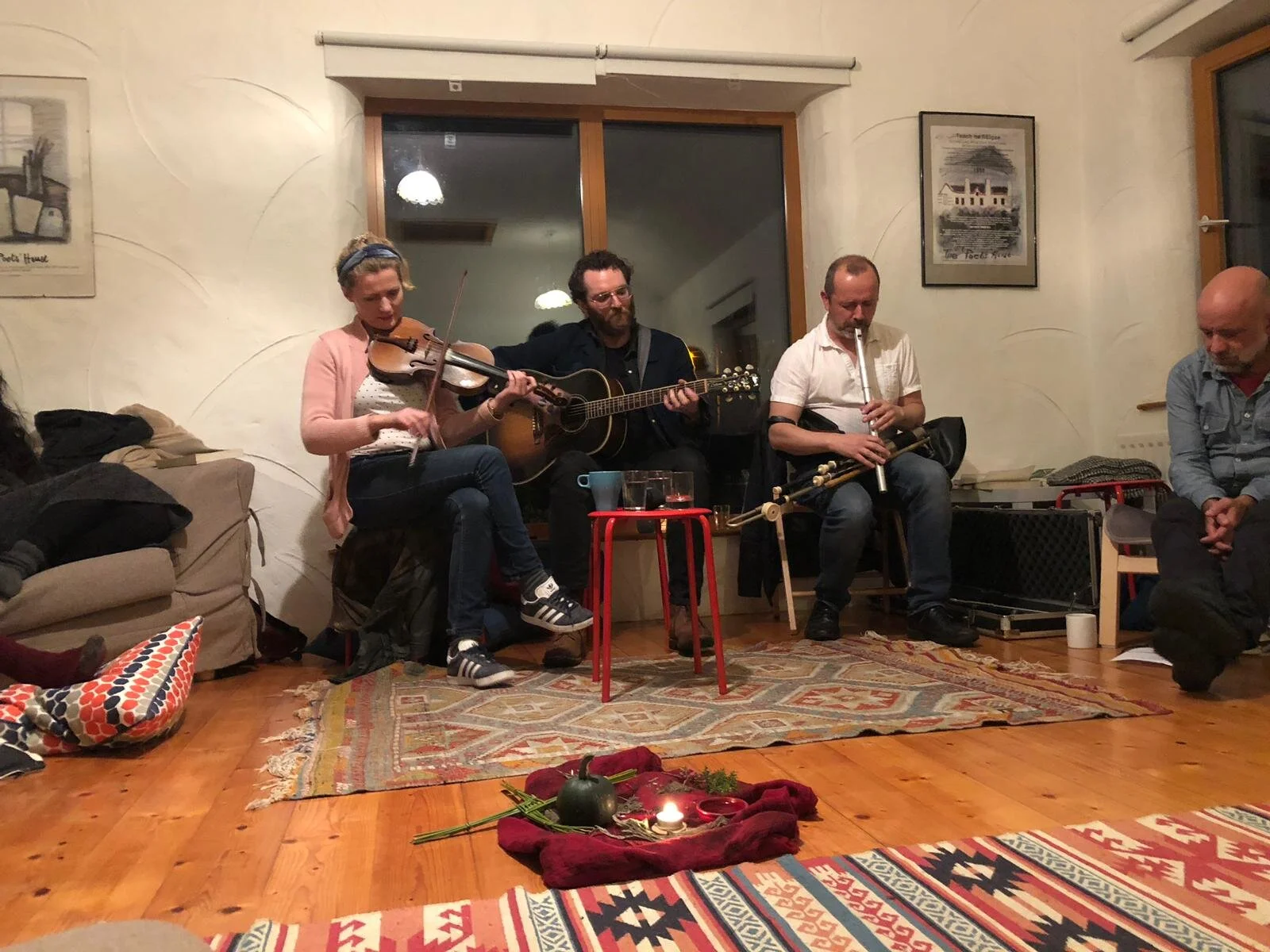
After a delicious and warming meal prepared by our chefs Orla and Abi, we moved into the evening’s ‘raking’, a traditional Irish practice of gathering in others homes to share stories and song, music and poetry. Local guest musicians, Ruairi Friel and friends, kicked off our evening with lively songs with the bagpipes and some old folk songs on the guitar. The evening revealed the wonderful talent of poetry, song and storytelling within the group, and it was a joyful and moving evening of sharing!
—
Day 2
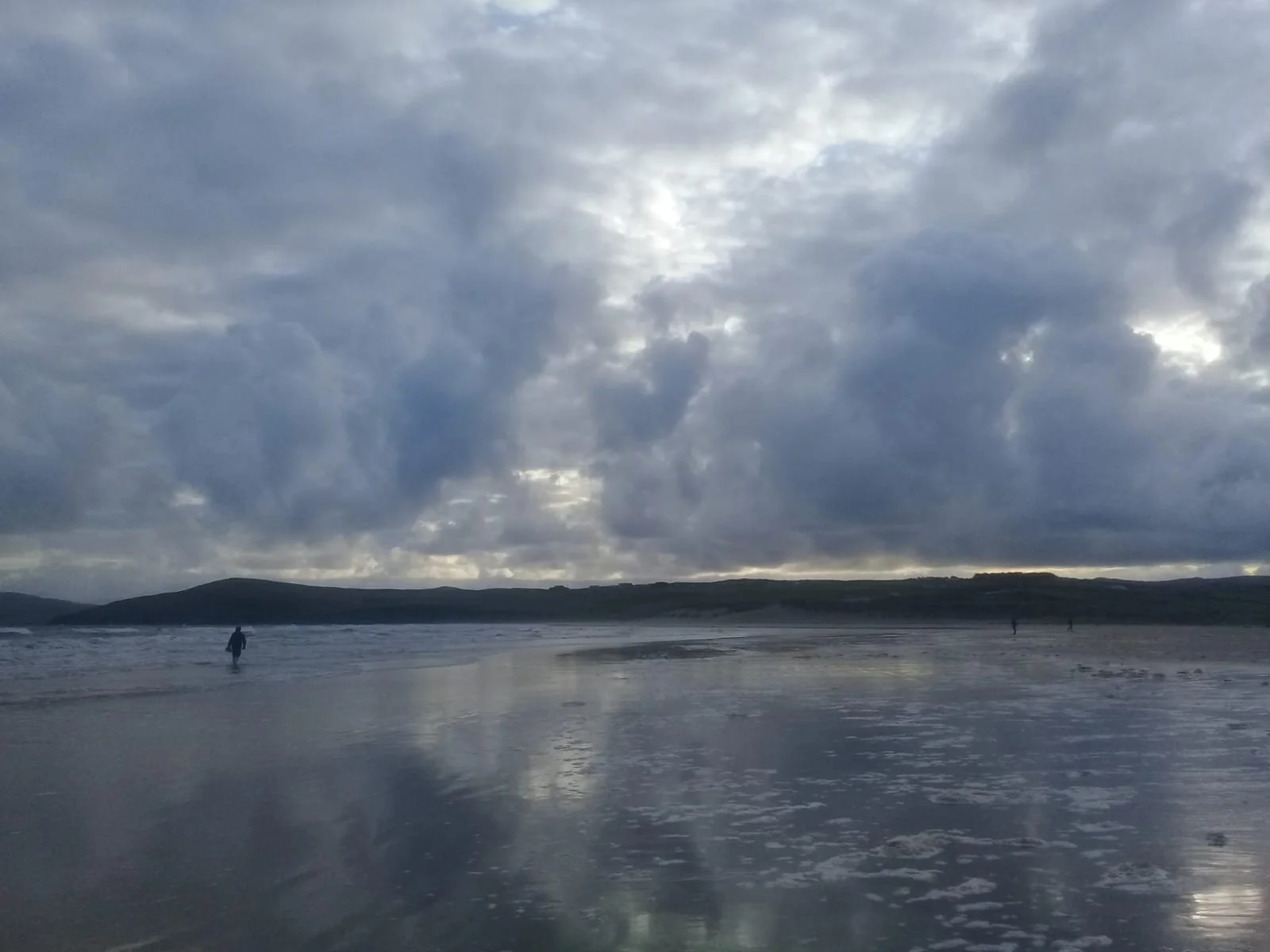
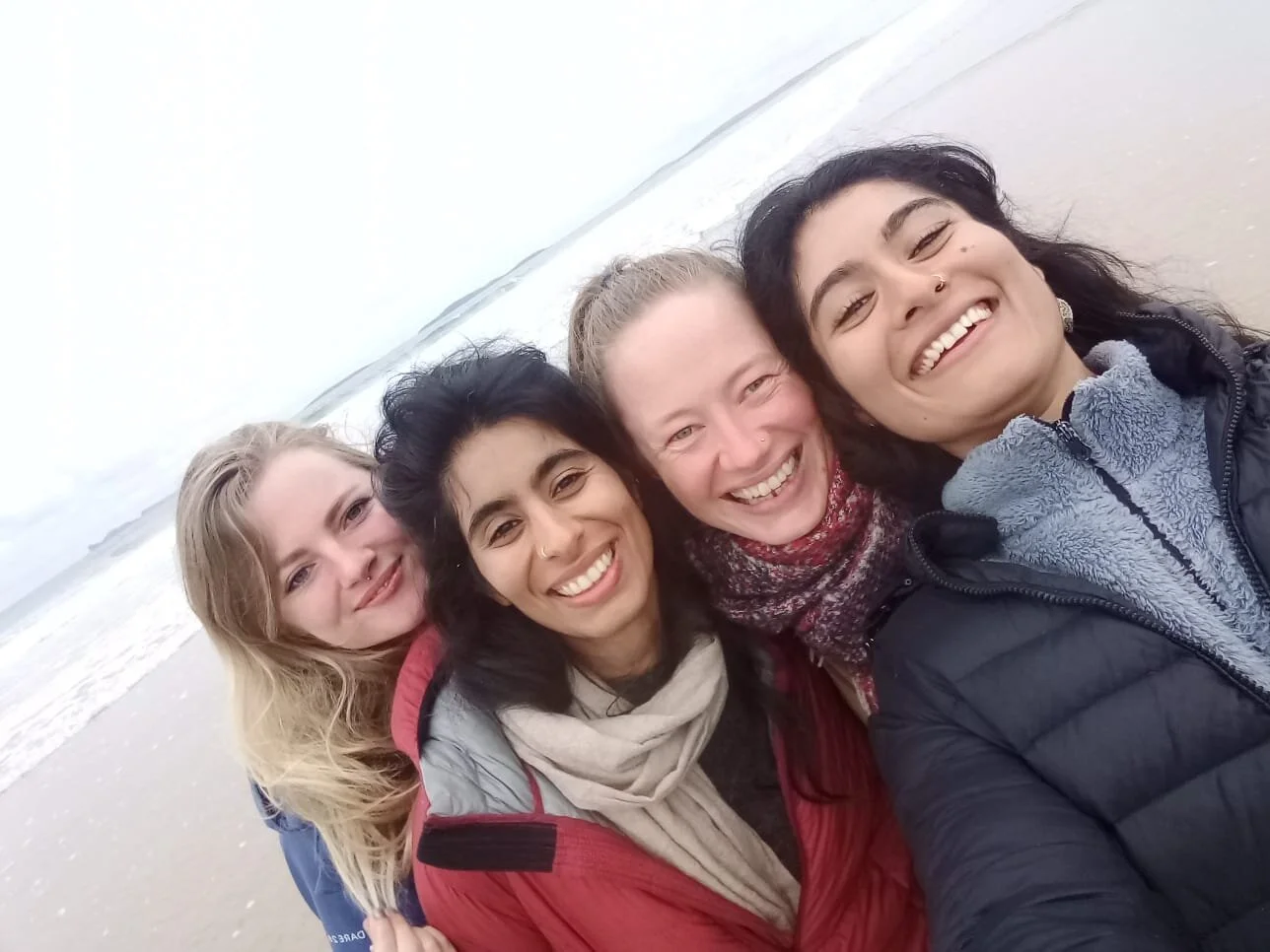
Day 2 started with a morning birdsong listening practice, coupled with a walk along the wild Atlantic ocean coastline and expansive beaches.
Our opening session was lead by Jenny O’Hare, exploring the themes of indigeneity, colonisation and relationship to place. What does it mean to claim our own authentic practice of spiritual ecology? How can we honour our own roots of indigeneity, facing and healing the shadows of history that broke our sacred connection to land?
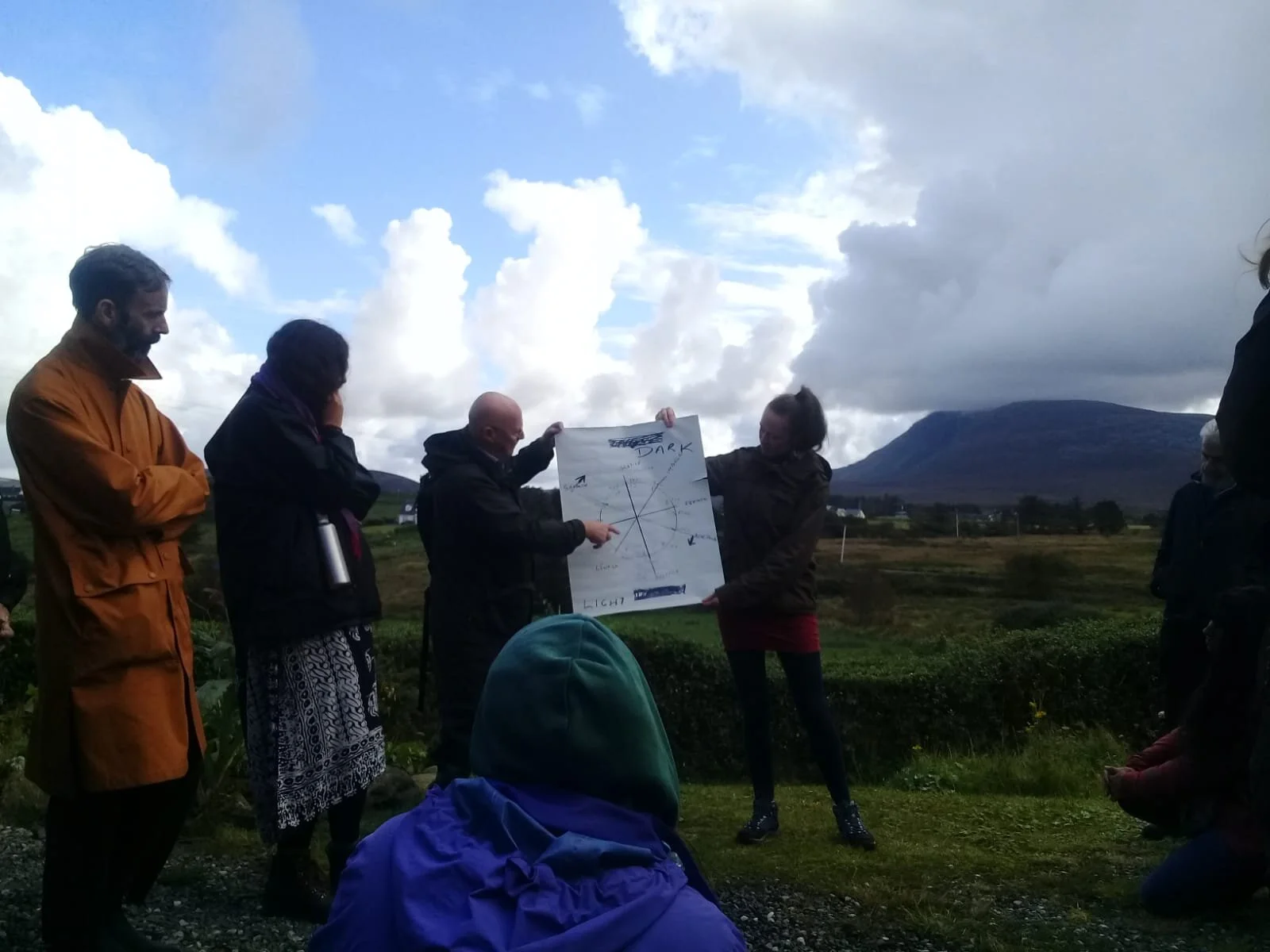
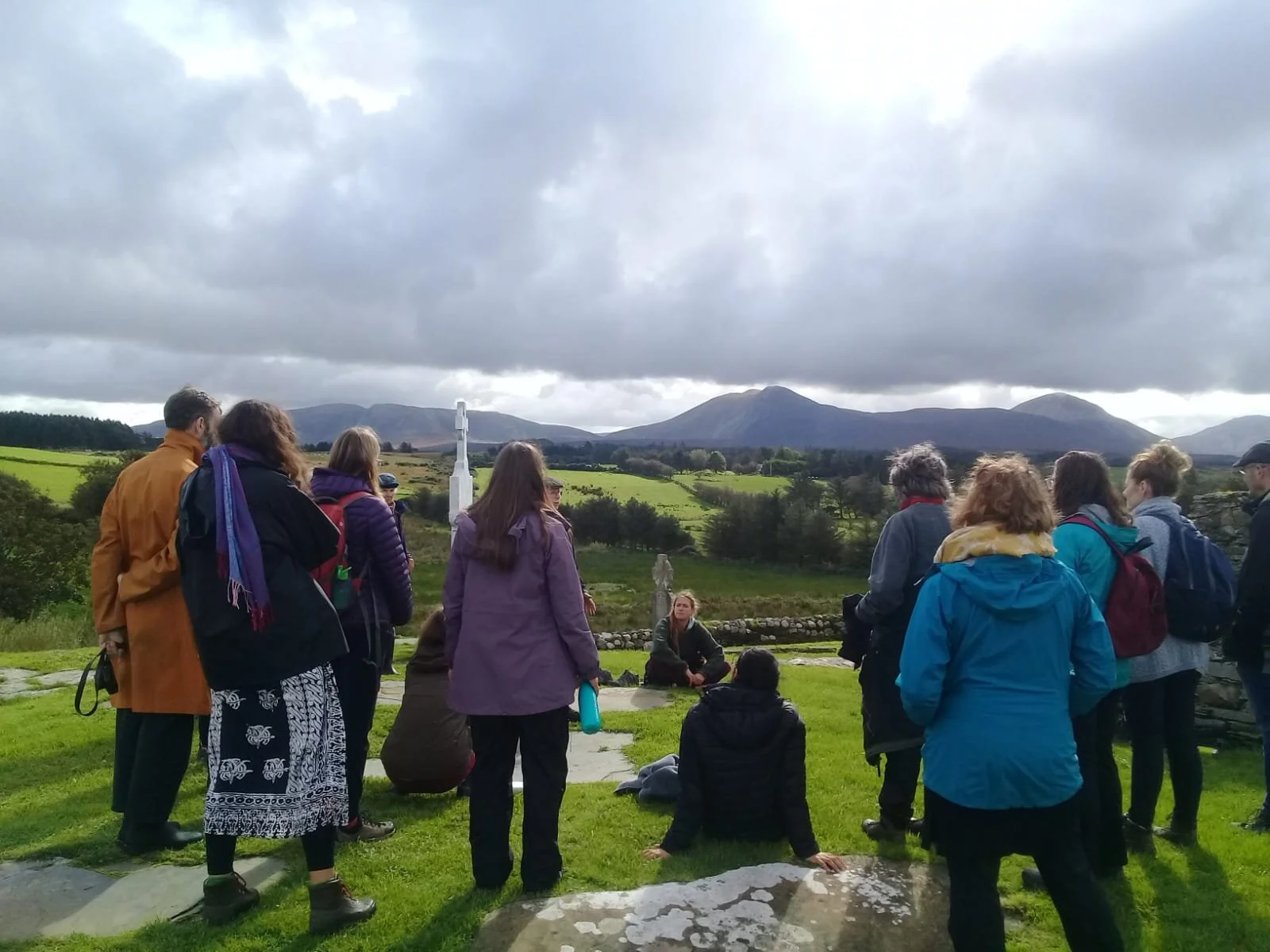
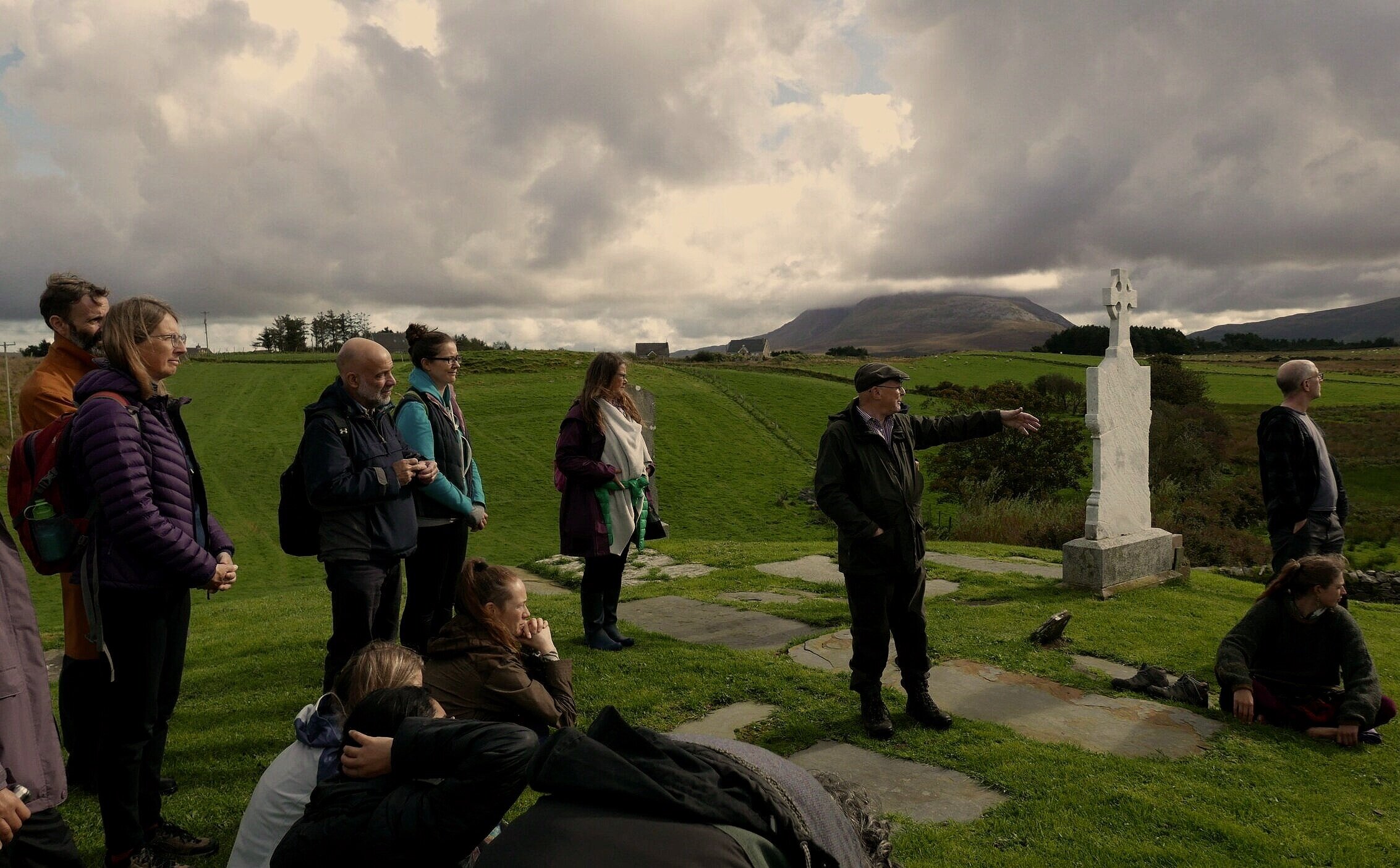
This was followed by a walk and talk with guest teacher and local historian Brian Lacey. Brian took us to Tullaghobegley, a site that encompasses a pagan/Christian threshold. He shared the history of this sacred place, which was originally dedicated to the god Lugh - a European, Celtic harvest god. From a his own knowledge and perspectives, Brian explored the pre-Christian history of this site of significance, offering a lens into an Irish indigenous interaction with the landscape as expressed through stories as well as other local place-names.
After lunch we moved into the final session of the workshop, on the theme of project applications. Bringing together all of the learning and experience over the retreat, we reflected in pairs on how we might integrate spiritual ecology into our own personal lives, practices and projects. This session culminated in a final group sharing of goals and commitments, with blessings and prayers to each participant on their inspiring spiritual ecology aspirations and future pathways.
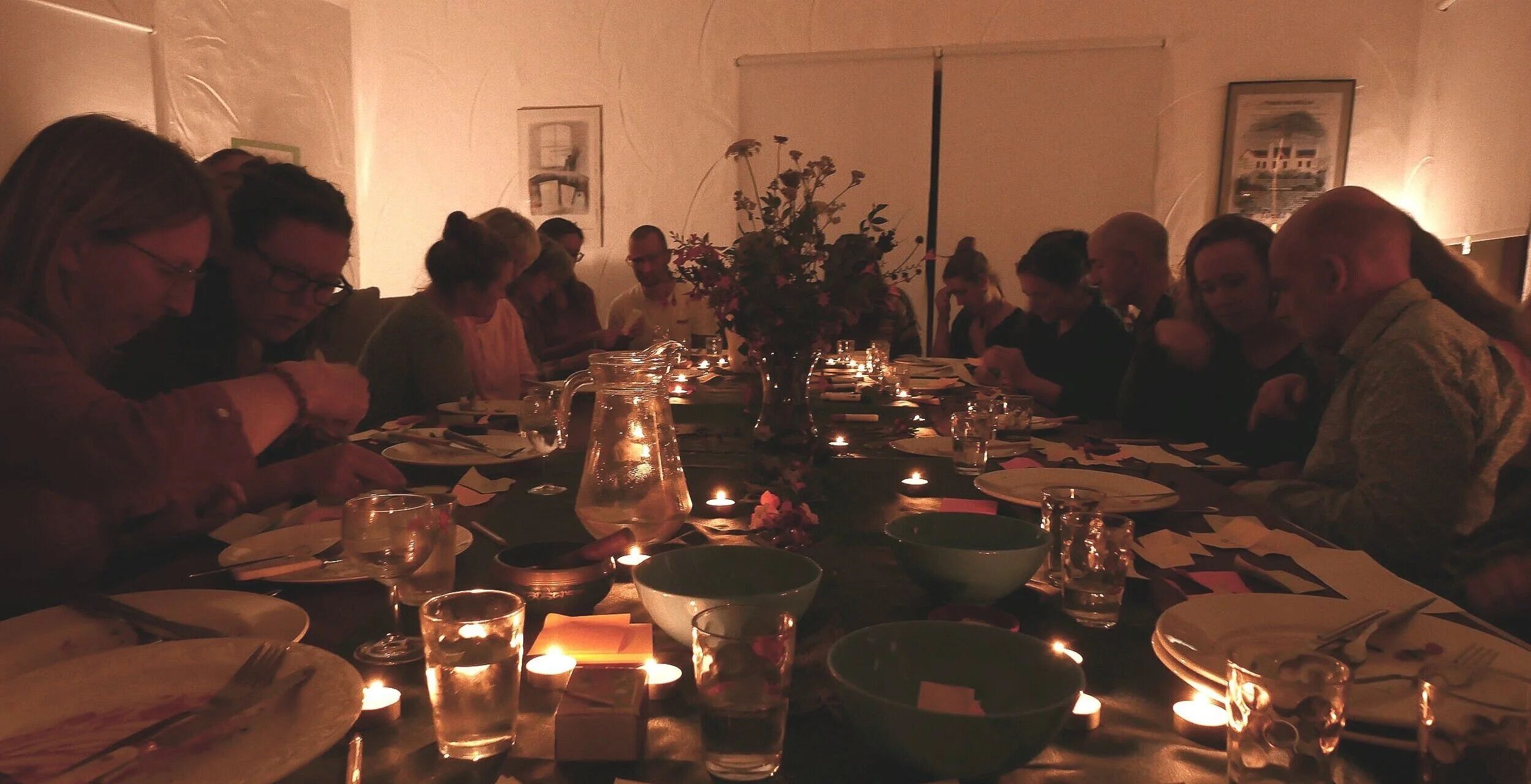
The workshop closed with one final celebration. We hosted a special ‘Seasons of the Sacred’ adaptation, in celebration and welcoming of the autumn. With an amazing seasonal three course meal, interspersed with poetry practices, readings and candle-lighting rituals - in joy, laughter and gratitude, we brought this wonderful retreat to a close.