Listening to the living world
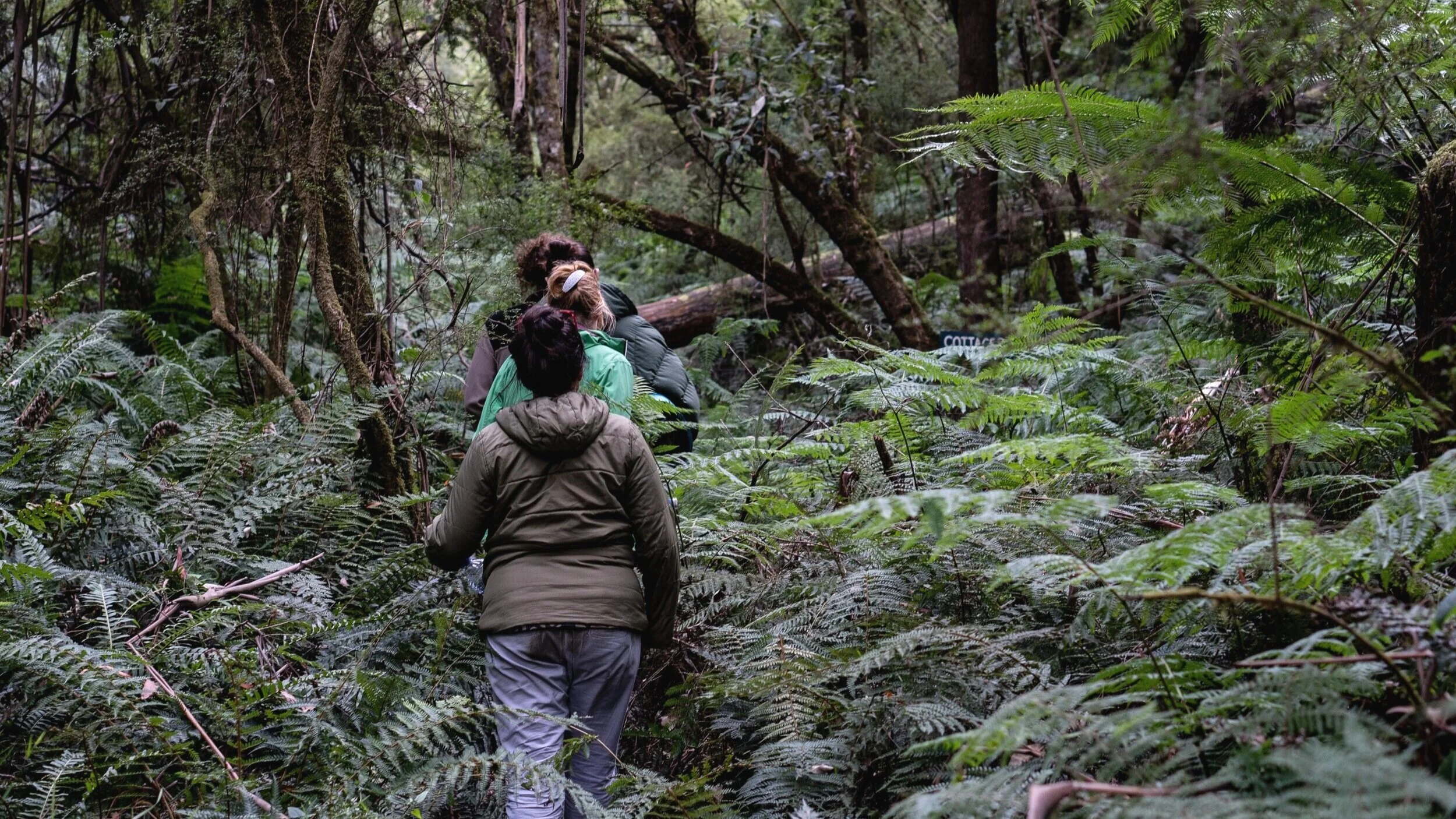
Photo by Julie Gregor
A 4 day immersive retreat in the Otway Ranges, Victoria, Australia
This residential workshop offered an introduction to spiritual ecology, exploring what it means to respond to the ecological crisis from a place of reverence, rooted in deep listening to the living world. The retreat took place in February 2020 at King Parrot retreat centre, with 60 participants, and was hosted by CERES in collaboration with Emergence Magazine. I had the opportunity to contribute to the facilitation alongside Emmanuel Vaughan-Lee, with support from both CERES and Emergence teams.
Opening Evening and Talks
Arriving from many different parts of Australia, participants were welcomed to the Otways with an opening meal and introduction to the staff team and facilitators.
After dinner, we gathered in the group room where we were joined by Ebony Hickey, a Gulidjan Woman whose ancestors in her maternal line have lived in the region for hundreds, even thousands of years. Ebony gifted us with a ‘Welcome to Country’, generously sharing her own story, history and connections to this land. She shared with us her own understanding of deep listening as a practice of listening from the heart. Ebony affirmed the importance of this retreat, imploring us to dedicate ourselves to the urgent work of revitalisation of indigenous and more spiritual ways of knowing and relating to the earth.
Picking up the thread, Emmanuel Vaughan-Lee expanded on the theme of listening, offering reflections on the many different aspects to listening as a profound practice of remembrance of the sacredness of the living earth. He explained how this practice was an opportunity for entering into a constant and ever-deepening relationship with that indwelling presence. With long moments for pause and silence, we were invited to connect with an inner space of attentiveness and silence, creating the space for deep listening within the chambers of our own hearts. With our attention turned inwards, we set the intention to remain in this connection to ourselves and to the land around us, in preparation for the morning’s activities.
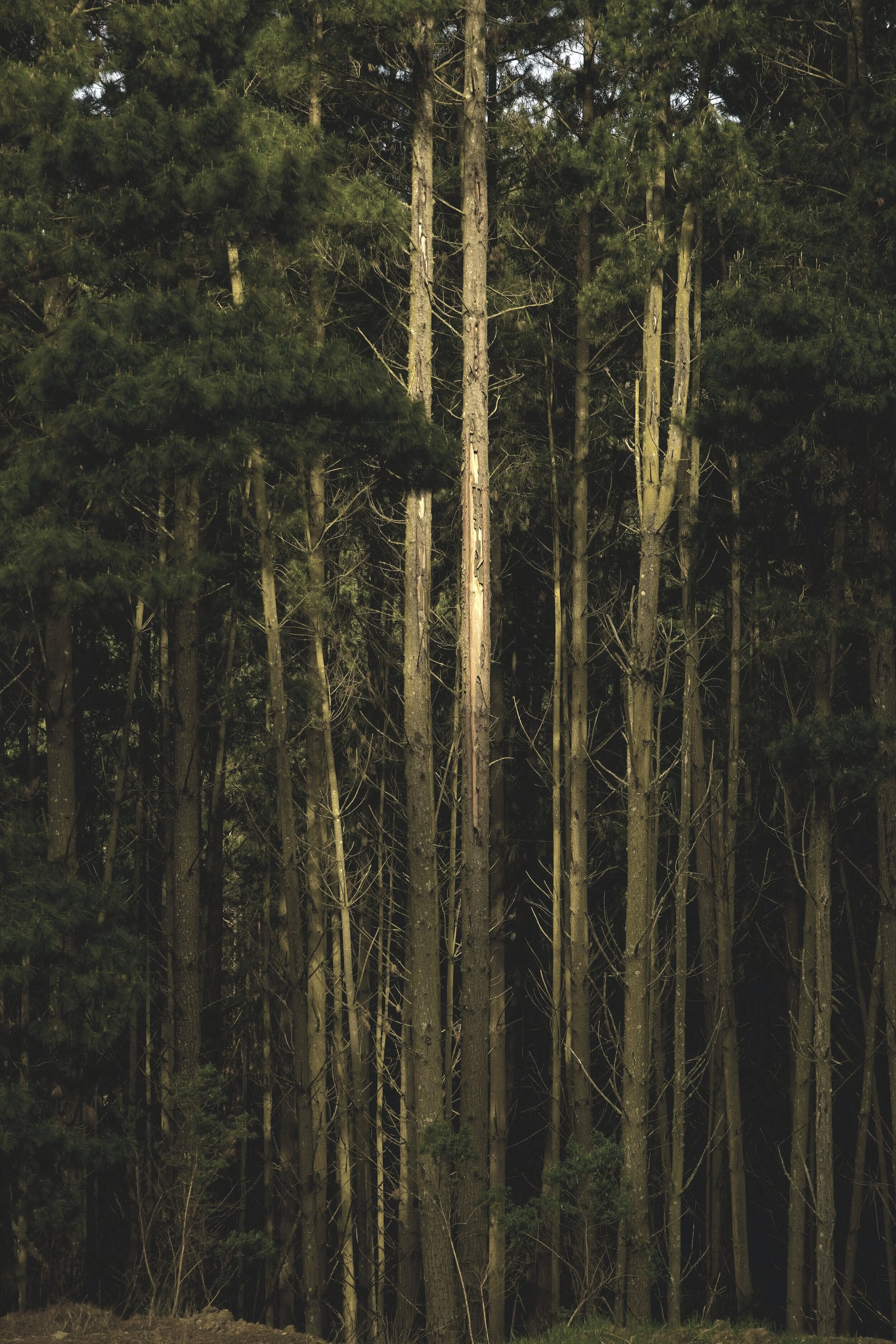
Our mornings were spent in guided deep listening and nature connection practices in the pristine surrounding rainforests of the Otway’s.
Practice 1: Listening for Silence
This practice was inspired by the film Sanctuaries of Silence, which features acoustic ecologist George Hempton in an immersive journey into the Hoh rainforest, one of the quietest places in North America. George’s definition of silence is not without noise, but rather as the presence of non-human generated sounds. The group was invited to expand their notion of listening; not only with the physical senses and with the mind, but also listening with the whole body and the heart. With a simple opening meditation, the group were invited into this practice, where listening was an opportunity to orient in a way of being of meditation, attentiveness and the experience of coming into an alive relationship with the natural world. Walking through the rainforest, we were led deeper into this practice of silence and relationship.
Participants shared beautiful and surprising experiences; how the edges of their own separate bodies began to soften and immerse into the greater body of the living earth around. In this way, this practice became an entry way into experiences of profound interconnectedness.-
Practice 2: Befriending a Tree
Our second practice asked,
‘What can we learn about building a relationship with the living world through consciously taking the time to connect with a tree?’
‘What can a tree teach us about being in a place?’
Guided through a five step practice, participants were invited to engage with a chosen tree with their intuitive, imaginative and listening capacities. In a playful way, we explored relating to the tree not only from an ecological perspective, or for our own needs and purposes, but as a living being.
“There is a deep spring inside of us,
a vast silence like the desert.
Here, in this space.
Dadirri
Time and timelessness,
peace in silent awareness.
I listen and wait,
all that matters is Now.
We watch the seasons come and go,
watch the moon wax and wane,
wait for the fruit to ripen,
watch our children grow,
sit with our grief.
Silence is our gift,
we welcome it,
call upon it,
and it calls us.
Listen, watch, wait,
this will determine what we are to do.
Quiet, gentle, strong, patient.
No need to hurry, nothing is more important than Now.
Being still brings peace and understanding.
Dadirri
a stronger peace than mindfulness.
A deep peace,
grounded, over aeons.
Dadirri is the sap and strong roots of the tree,
it is the flow of the river,
the sunrise and the sunset.
Deep respect for all things,
and their ways
of being, knowing, and doing.
Dadirri.”
Workshop 1: Listening to the Pain of the Living World
Listening and creating a relationship with the living world also means listening to the pain, distress and cry of the earth. This cry is only getting louder and louder, the outer signs of distress more strong.
In the summer of 2020, Australia experienced some of the worst bushfires in its history. Our retreat took place in the aftermath of this great loss and devastation. This afternoon workshop gave space and time for reflection and witnessing of all that had been lost to this land over the past months.
Participants were invited to reflect on the inner and outer landscape of their experience of the bushfires; images that they had seen live, or in the news or media, as well as stories of their own or from others. This was an opportunity for both conscious witnessing of the experiences that took place, within the human and more-than-human world - and also for connecting with the range of emotions, feelings, questions and heart responses this brought fourth.
We were then guided in a simple group ritual to hold these (ongoing) experiences within a sacred space. This was a conscious act of witnessing, listening and offering back to the earth - remembering that our experiences, as also a part of the earth’s experiences. We offered our grief for what is lost, and our prayers for the future.
-
Amidst the breakdown are also stories of immense courage, resilience, grace and service. People connecting with their love for the Earth and the suffering of human and non-human life, despite many political leaders acting in denial and negligence.
In the final part of our workshop, we explored stories of resilience and reverence. Participants shared many moving stories of communities coming together in service to the wildlife that had lost homes or been hurt by the fires, and to each-other, as they navigated their way through crisis with unbelievable acts of compassion, creativity and fortitude.
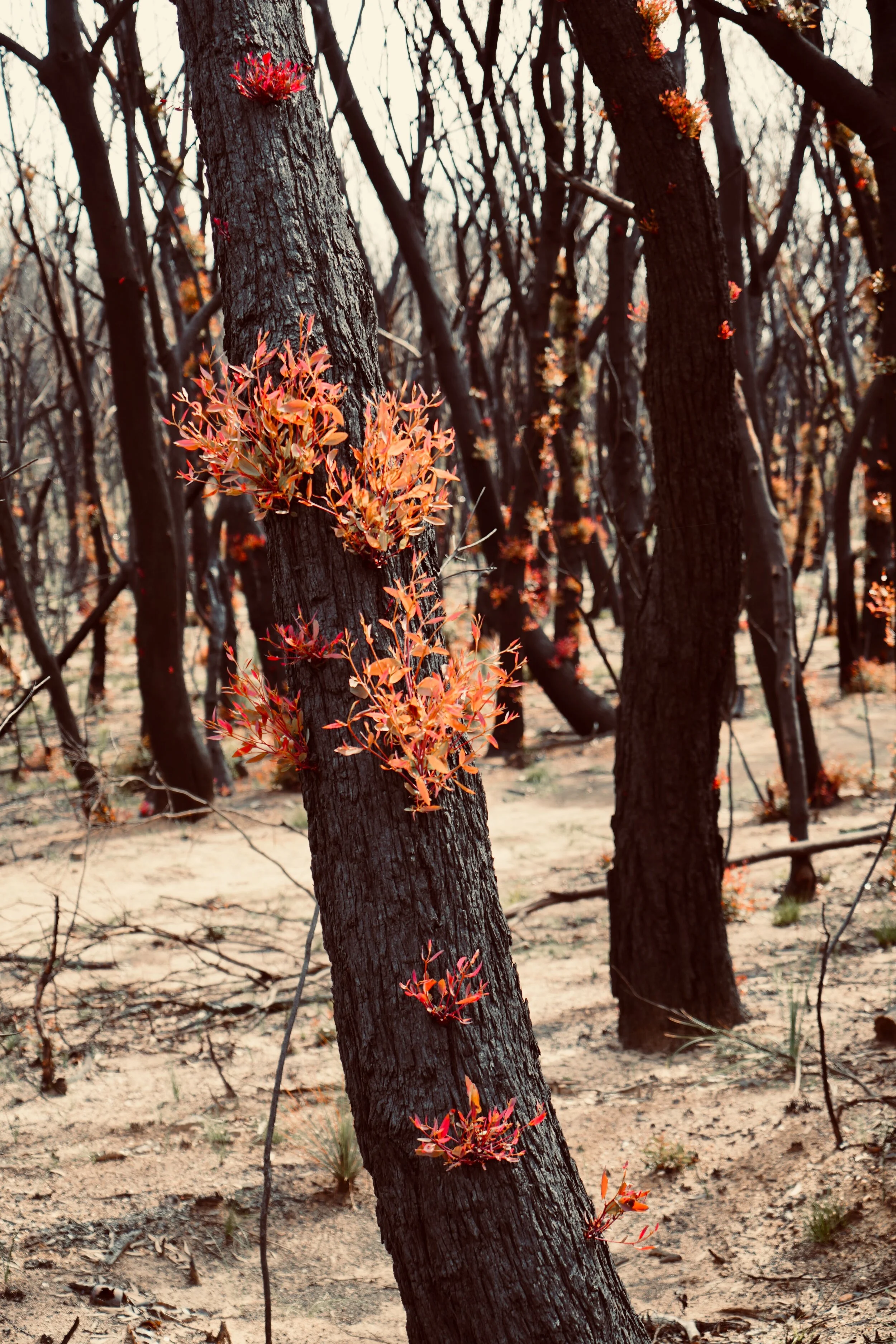
Photo by Jack Bassingthwaighte
Workshop 2: Counter-mapping
The afternoon’s creative practice was inspired by the short film ‘Counter-mapping’ by Emmanuel Vaughan-Lee and Adam Loften. The film tells the story of Jim Enote a traditional Zuni farmer based in New Mexico. Jim is also the director of the A:shiwi A:wan Museum and Heritage Center, and is working with Zuni artists to create maps that bring an indigenous voice and perspective back to the land. These maps counter western notions of place and geography and challenge our whole western way of relating to place and land.
Participants were given time to explore in group conversation how Zuni maps challenged our conditioned notions of ownership, place and identity in relation to land. They reflected on how these maps offer a different perspective and relationship to our environments, one suffused with story, meaning, and sacred significance.
Finally, participants were invited to create their own ‘counter maps’, drawing in a way that represented their own home, weaving memory, stories and images that held meaning to them, and in doing so enacting a sense of deep listening, building a new understanding of interconnectedness to place.
“Few of us have thought to ask what truths a map may be concealing, or have paused to consider that maps do not tell us where we are from or who we are. Many of us do not know the stories of the land in the places where we live; we have not thought to look for the topography of a myth in the surrounding rivers and hills. Perhaps this is because we have forgotten how to listen to the land around us.”